What Is a DAO? How Decentralized Organizations Actually Work
How DAOs evolved from code-governed experiments into today's hybrid organizations, how governance works in practice, and what can still go wrong.
Demystifying blockchain, crypto, tokenomics, and the future of Web 3.0 — from fundamentals to real-world applications.
How DAOs evolved from code-governed experiments into today's hybrid organizations, how governance works in practice, and what can still go wrong.
Why Bitcoin was created, how blockchain works, and how Ethereum smart contracts extend it beyond payments - plus proof of stake, Bitcoin ETFs, and stablecoins.
Dive into blockchain, crypto, and Web3 with this comprehensive guide. Explore Bitcoin's roots, Ethereum's evolution, and the metaverse's convergence of virtual and real worlds. Learn about tokenomics, DeFi, NFTs, DAOs, and blockchain's transformative impact on the real economy.
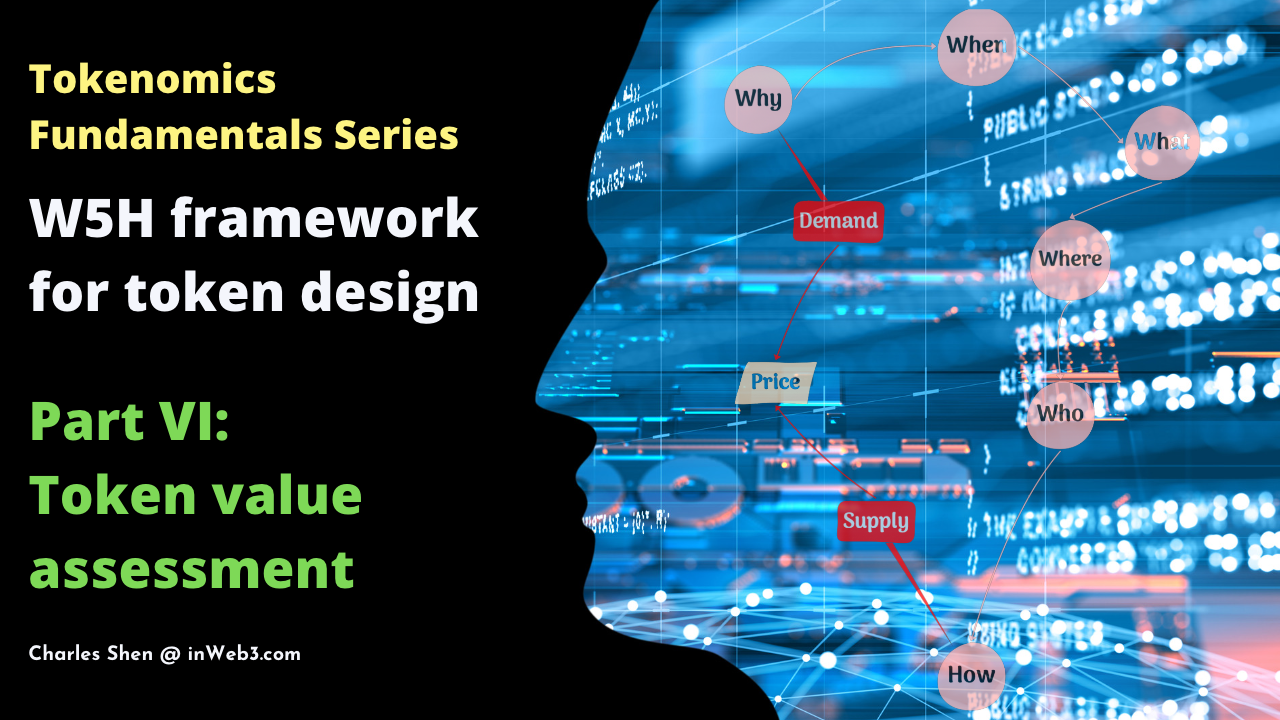
W5H tokenomics framework Part VI: token value assessment through TradFi modeling and their caveats, and a brief introduction to Token Engineering.
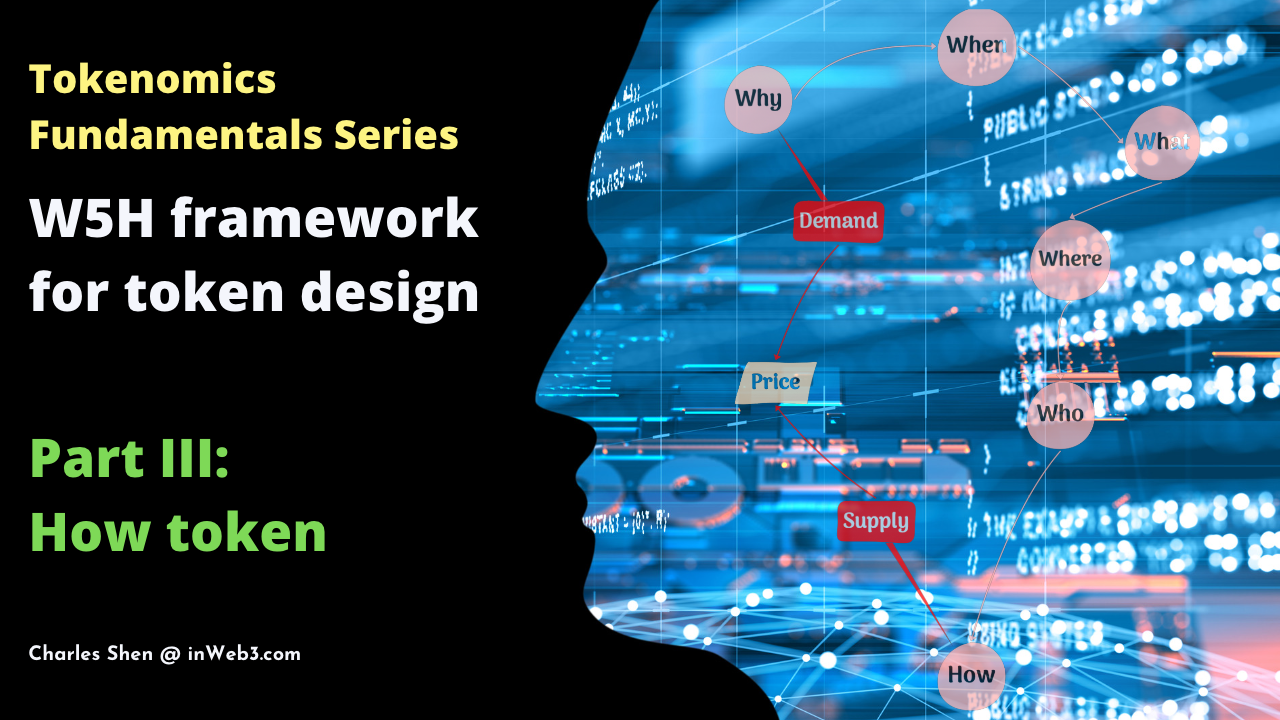
W5H tokenomics framework Part III: following the prior "Why, When, What, Where, and Who" for token design, we continue to explore "How token".
We review the existing three-layer architecture for the evolution of the Web and discuss ways it can be expanded to further reflect the entire picture. We then present our adapted architecture for the Autonomous Spatial Web 3.0.
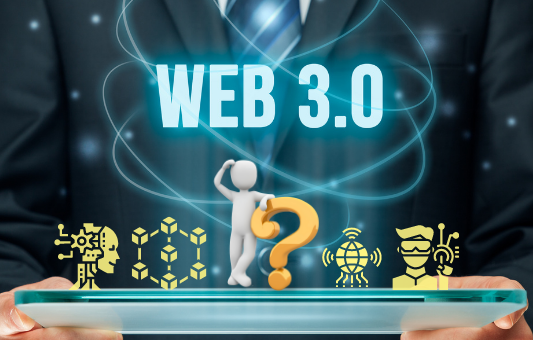
This article helps you understand what the most important technologies in Web 3.0 are, such as Blockchain, Artificial Intelligence (AI), Internet of Things (IoT), Virtual and Augmented Reality (VR/AR). We illustrate how they are evolving and shaping our next-generation web.
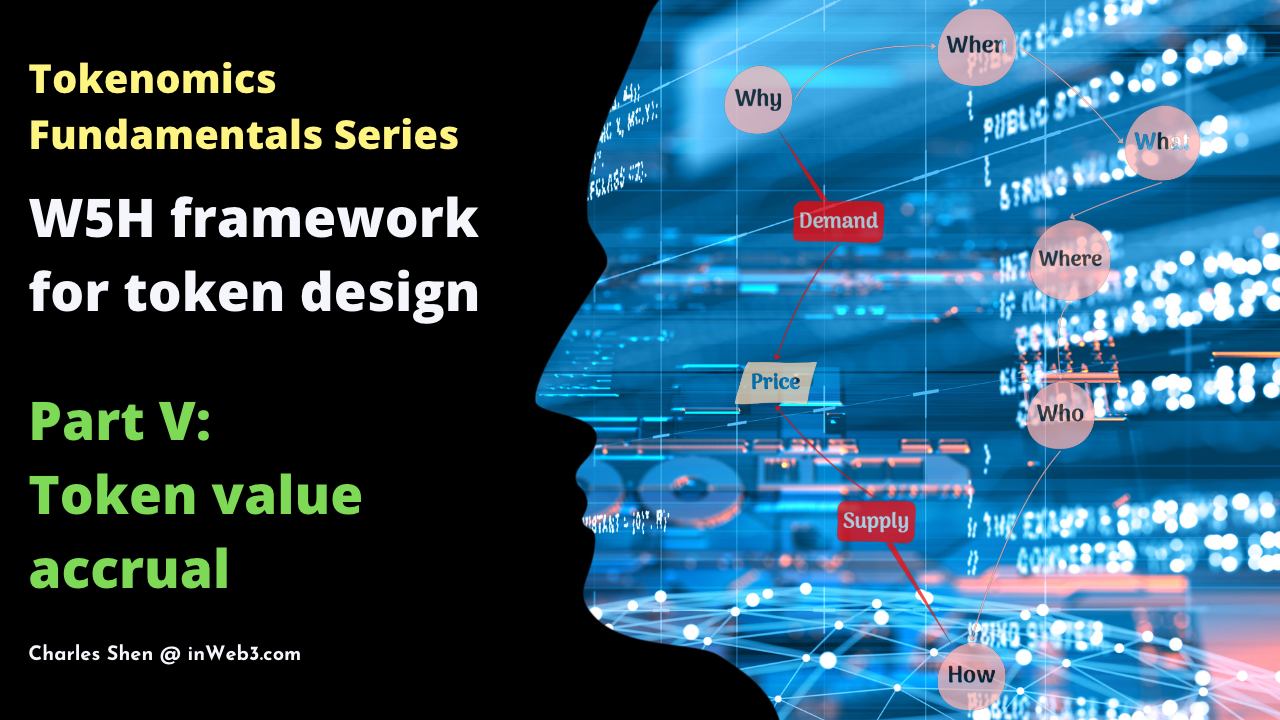
W5H tokenomics framework Part V: token value accrual through universal and selective economic value distribution in crypto-economic systems
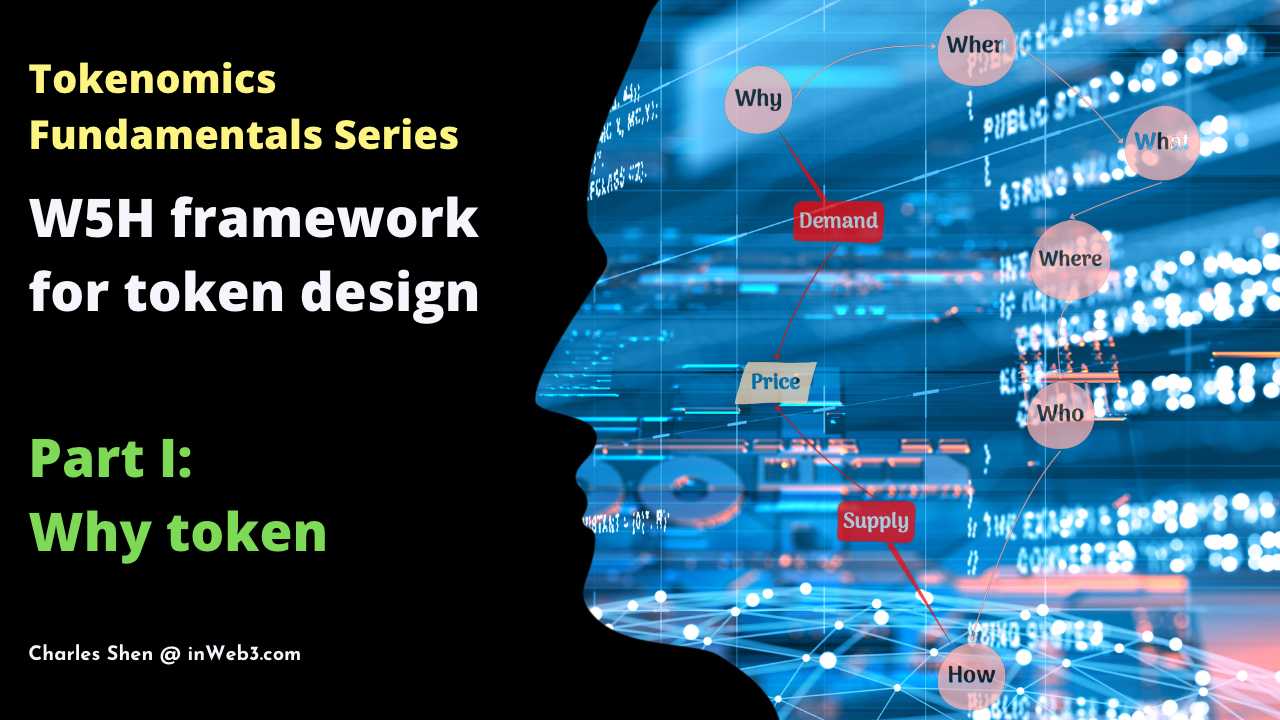
W5H tokenomics framework - "Why, When, What, Where, Who and How" for token design. Part I, "Why token" - a crypto-product-market fit perspective.
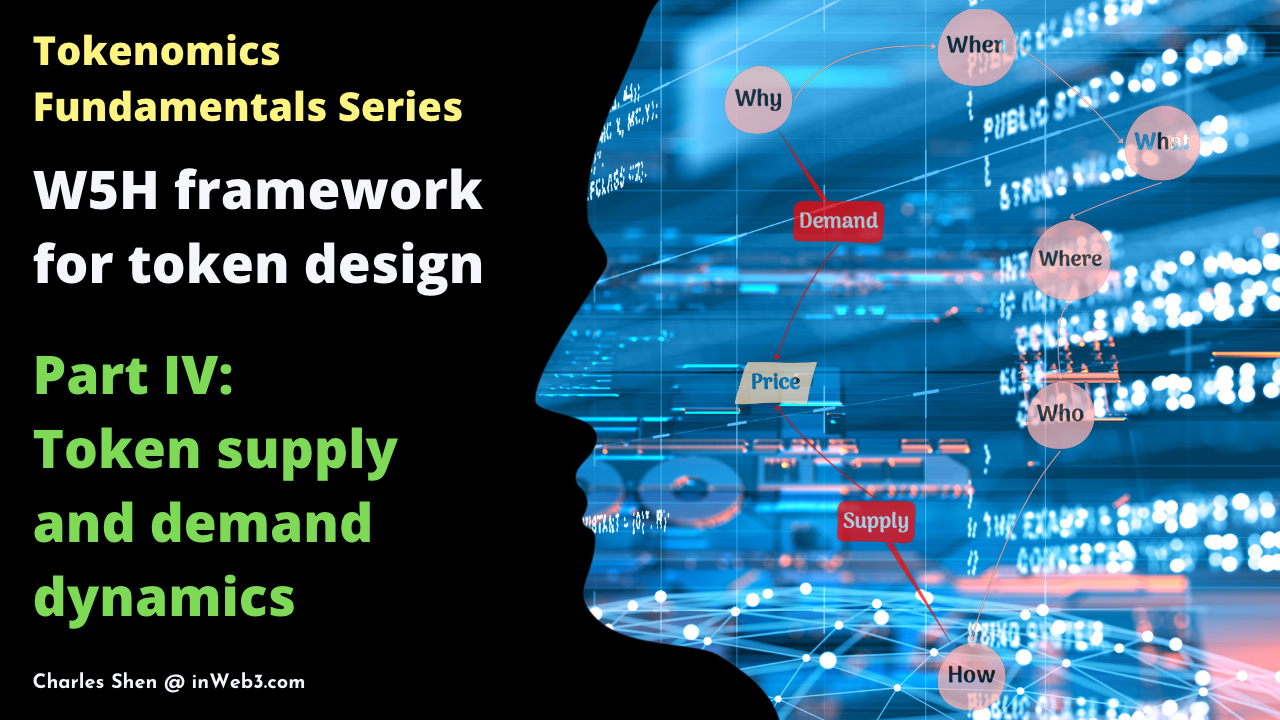
W5H tokenomics framework Part IV: following "Why, When, What, Where, Who and How" for token design, we discuss token supply-demand dynamics
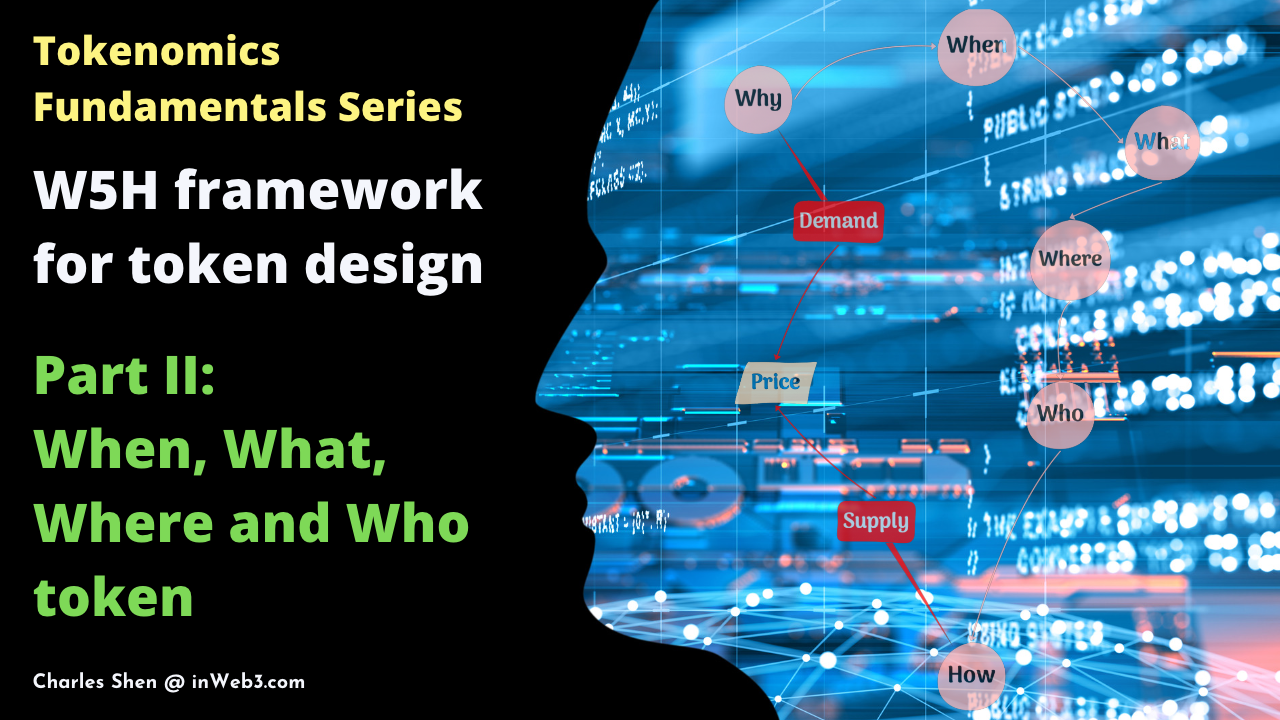
W5H tokenomics framework Part II: following the "Why token" in Part I, we discuss the "When, What, Where, and Who" for token design.
Financial services use cases have been in the forefront of blockchain applications since Bitcoin was born. We will introduce the two major milestones for blockchain in finance, from the ICO boom in 2017 to the DeFi movement today, and help you understand how they are changing the financial industry.
The rapidly expanding communities of creators and fans are fueling a burgeoning creator economy. How will blockchain transform the creator economy? How will these transformations impact the challenges faced by today's creator economy?
Blockchain itself forms a separate digital space. But whether in finance or real economy sectors, a blockchain use case often needs to interact with the external world. How can this be accomplished? We introduce how oracle helps bridge the on-chain and off-chain worlds of blockchain.
The year 2021 witnesses the explosion of NFT. In this article, we briefly introduce what NFT is and examine what are the factors behind the success of the top NFT projects. Then we discuss the possible future directions NFTs are heading to.
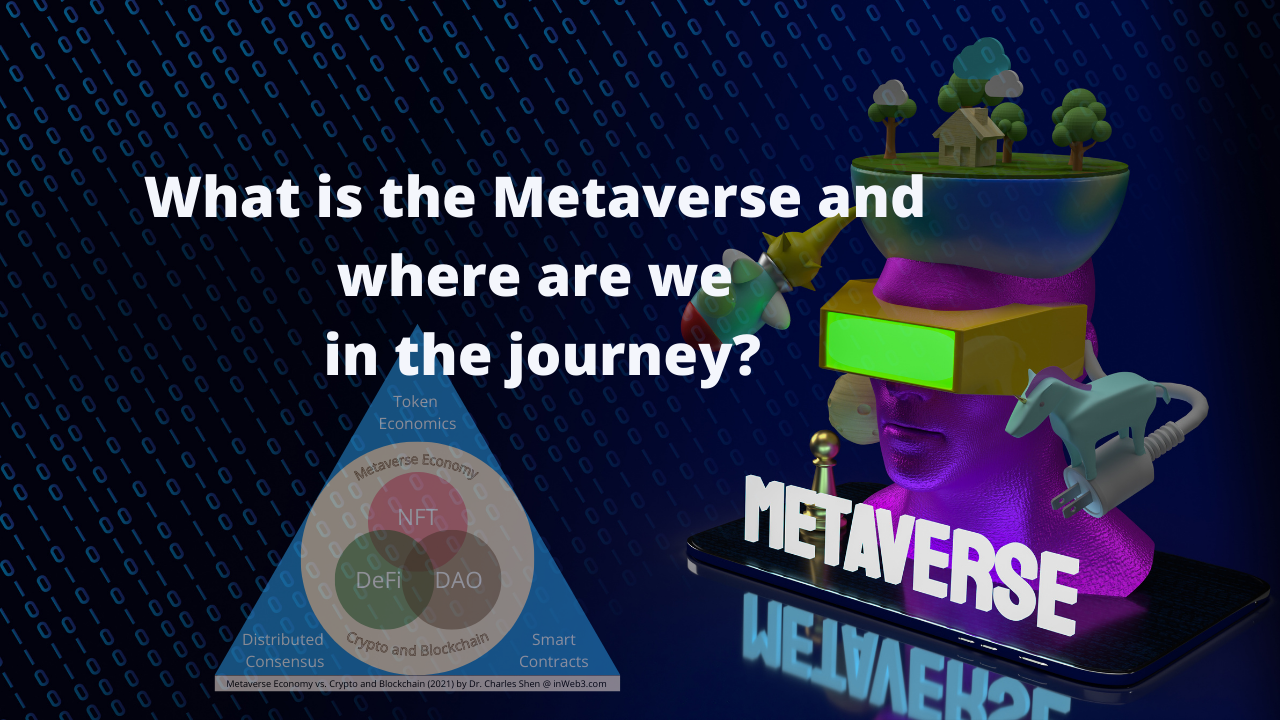
We present the two critical aspects of a matured Metaverse: convergence of the physical and the virtual world, and a self-sustainable social-economic ecosystem. We also explain why we are at a milestone moment and how crypto and blockchain provide the foundation for the Metaverse economy.
This article introduces an analysis framework for general blockchain use cases. It looks at the assets the use case is handling, the different parties conducting transactions, and the smart contract, distributed consensus, and crypto token models of the underlying blockchain infrastructure.
This article introduces two classification methods that enable us to analyze blockchain use cases from a cross-sector perspective. One method is based on the blockchain's role as Improver, Transformer, or Enabler; and the other method is based on the use case's business model.
This article provides a brief overview of potential blockchain usage in major real economy sectors and their relationship to the four pillars of urban sustainability.